Feeling breathless when climbing stairs or struggling to rise from a chair might seem like normal signs of aging. But in many cases, these challenges actually stem from nutrient deficiencies that affect leg strength.
Millions of people over 50 experience this kind of leg weakness without realizing that the root cause is often linked to what’s missing in their diet, not just age.
The encouraging news? Specific nutrients can make a powerful difference. When combined, they form a holistic strategy for improving leg strength, balance, and mobility at any stage of life.
1. Vitamin D – The Strength Stabilizer
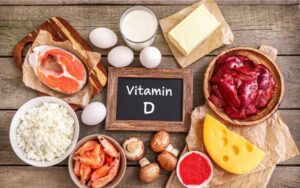
Vitamin D deficiency is widespread among older adults, with estimates suggesting that up to 60% lack sufficient levels.
This shortfall weakens both bones and muscles, creating a dangerous cycle of reduced movement and further decline.
Supplementing with vitamin D3—especially 800 to 2000 IU daily—has been shown to lower the risk of falls by nearly a quarter.
You can increase your intake through sunlight exposure, fatty fish like salmon, or supplements taken with healthy fats for better absorption.
2. Magnesium – Nature’s Muscle Soother
Frequent leg cramps may be a red flag for magnesium deficiency. This essential mineral regulates muscle relaxation and nerve function.
Without enough magnesium, muscles can become stiff, sore, and more prone to spasms.
To restore muscle balance, aim for 320 to 420mg of magnesium daily.
Excellent sources include spinach, pumpkin seeds, and magnesium glycinate, which is gentle on the stomach and absorbs well.
3. Vitamin B12 – The Nerve Connector
If you’ve experienced tingling, numbness, or an unsteady feeling in your legs, a B12 deficiency could be the culprit.
After age 50, the body often struggles to extract B12 from food, leading to damage in the protective sheath around nerves.
Vitamin B12 plays a critical role in restoring proper nerve-to-muscle communication.
Choose sublingual methylcobalamin or B12 injections if dietary improvements alone don’t resolve symptoms.
4. Collagen – The Structural Support
With age, collagen production drops, reducing cushioning in joints and weakening connective tissues. Collagen is key for maintaining flexibility and mobility in muscles and tendons.
You can boost collagen intake by consuming hydrolyzed collagen peptides with vitamin C (to enhance absorption), sipping bone broth, or eating collagen-rich foods such as chicken skin or oily fish.
5. Omega-3 Fatty Acids – Inflammation’s Opponent
Chronic inflammation can undermine muscle health, even when other nutrients are in place. Omega-3s—particularly EPA and DHA—are known to reduce inflammation that leads to muscle breakdown.
Aim for 1,000 to 2,000mg of omega-3s daily. Good sources include sardines, wild-caught salmon, algae-based oils, and fish oil supplements enriched with vitamin E for stability.
6. Zinc – The Muscle Builder
Zinc is vital for muscle repair and hormone production, particularly testosterone and growth hormone, both of which support muscle mass.
A deficiency can stall muscle growth even with regular physical activity.
Adults should aim for 15 to 30mg daily, sourced from oysters, grass-fed meats, or pumpkin seeds. When supplementing, choose zinc picolinate and pair it with copper to keep minerals balanced.
7. Vitamin K2 – The Calcium Traffic Controller
Taking calcium alone can sometimes backfire, leading to it building up in soft tissues like arteries instead of strengthening bones. Vitamin K2 ensures calcium is directed to bones, not joints or blood vessels.
Supplement with 100 to 200 mcg of MK-7 (a long-acting form of K2), or include foods like natto, aged cheeses, and butter from grass-fed cows.
8. Selenium – The Cellular Defender

Leg muscles endure constant oxidative stress, especially as we age. Selenium supports glutathione peroxidase, a powerful enzyme that protects cells.
It also boosts thyroid activity, which is crucial for maintaining energy and metabolic function.
Two Brazil nuts per day provide the full daily requirement of 100–200 mcg. Pair selenium with vitamin E for enhanced antioxidant benefits.
Putting It All Together
These eight nutrients complement each other beautifully. Vitamin D and magnesium support muscle power, B12 repairs nerve pathways, collagen restores structure, omega-3s ease inflammation, zinc fuels growth, K2 guides calcium, and selenium protects cells.
Many people experience less cramping, steadier balance, and more energy within weeks. Strength improvements are often noticeable within a month.
A daily plan might include cod liver oil (for vitamin D and omega-3s), nutritional yeast (for B12), and pumpkin seeds (for magnesium and zinc).
Final Thought
Leg weakness doesn’t have to be a natural part of growing older. Often, it’s your body’s way of asking for missing nutrients. With the right support, you can maintain your strength, balance, and independence well into your later years.