The morning I walked into the office with a stack of meticulously labeled folders, no one there suspected I’d spent the entire night in an ICU.
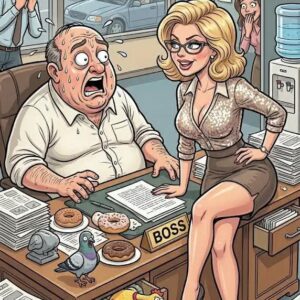
My son had been rushed in after a sudden accident, and when I asked my boss for five emergency days off, he refused—reminding me, with chilling detachment, to “keep work and personal matters separate.” I should have argued or walked out right then. But exhaustion can crystallize what truly matters. So the next day, I returned—not out of obedience, but out of quiet resolve.
As I crossed the office floor, my coworkers lifted their heads, bracing for an outburst or collapse. Instead, I carried something far heavier than anger: I brought every project finished, printed, sorted, and ready for handoff, so the team wouldn’t suffer in my absence.
In the conference room, I set the folders in front of my boss, who looked annoyed by my early arrival. That irritation dissipated the moment he realized what I’d done—not demanded, but completed. Calmly, I explained that I’d worked through the night from my son’s hospital room, typing between nurse rounds, reviewing documents to the rhythm of beeping monitors. “You told me to separate work from private life,” I said softly. “So I did. I managed both.”
Silence took over the room. Every chart, every timeline, every file was impeccable. I didn’t want sympathy. I didn’t want praise. I simply wanted him to recognize that responsibility isn’t defined by sacrifice alone—it’s defined by knowing what must be protected on every front of your life.
He thumbed through the folders, and his composure cracked.
For the first time in months, he wasn’t barking orders. He walked me outside the room and confessed something I never anticipated: he’d been drowning in pressure and had forgotten that leadership requires empathy just as much as efficiency. “You shouldn’t have felt forced to choose between your career and your child,” he admitted. “Take the time you need. We’ll cover things here.”