Have you ever heard of tonsil stones or had one yourself? While not dangerous to your health, they aren’t exactly something you want tickling the back of your throat. This is everything you need to know about tonsil stones, how to get rid of them, and how to prevent them from growing in the first place.
What You Need to Know About Tonsil Stones
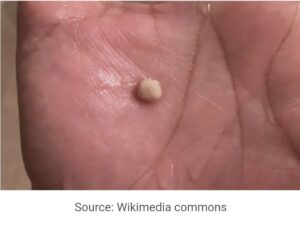
Tonsil stones, also known as tonsilloliths, are small, whitish-yellow, pimple-like growths that can develop in the crevices of your tonsils. While they may not be a serious health issue, they can cause discomfort and lead to halitosis (bad breath). Tonsil stones are most common in children and young adults, but they can also occur in older people. They usually form when food particles become trapped in your tonsils and mix with dead cells and bacteria. As these particles harden over time, they turn into small stones that can be easily dislodged from your mouth by a dentist or doctor. (1)
Symptoms of Tonsil Stones
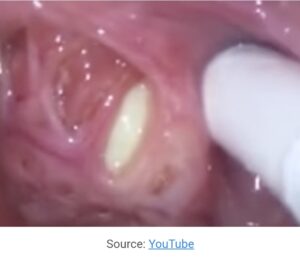
Tonsil stones often go unnoticed if they are small, but they can cause various symptoms when they become larger or more abundant. Some common symptoms include (2):Really bad breath (halitosis)Sore throat or difficulty swallowingMetallic taste in the mouthSwollen tonsilsEar pain or pressurePersistent coughingTonsil infections or tonsillitis
If you experience any of these symptoms, it is advisable to consult a healthcare professional for a proper diagnosis. Next, let’s look at how tonsil stones are diagnosed and treated.
Diagnosing Tonsil Stones
https://www.shutterstock.com/image-photo/tonsil-stone-mouth-703604266
Tonsil stones are not difficult to diagnose. Diagnosing tonsil stones usually involves a physical examination of your throat and a review of your medical history. Your healthcare provider may also recommend additional tests, such as imaging studies or a throat culture, to rule out other conditions and confirm the presence of tonsil stones.
Treatment Options
Tonsil stones don’t always require treatment – sometimes, they will even come out on their own. If tonsil stones are not causing any noticeable symptoms, treatment may not be necessary. However, if you experience discomfort or persistent bad breath, there are several treatment options available (3):
Self-removal: You can try gently removing the stones at home using a cotton swab or by gargling with salt water to dislodge them. Do not try to use anything sharp or pointy, as you could damage your tonsils. This method is only suggested if you know what you are doing.Medicated gargles: Antimicrobial mouthwashes or gargles may help reduce the build-up of bacteria and prevent the development of tonsil stones.Oral irrigators: These devices can be used to flush out the tonsil crypts and remove any trapped debris.Surgical removal: In severe cases, where tonsil stones are causing recurrent infections or significant discomfort, your doctor may recommend a tonsillectomy, which involves removing the tonsils.Home Remedies for Tonsil Stones
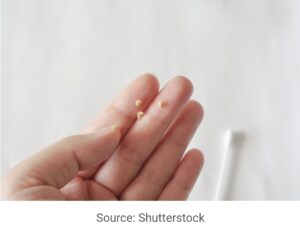
While it may not be possible to completely prevent the development of tonsil stones, these preventive measures can help minimize their occurrence:
Maintain good oral hygiene: Regular brushing, flossing, and using mouthwash can help control the bacteria in your mouth.Stay hydrated: Drinking water throughout the day can help prevent dry mouth, which can contribute to tonsil stone formation.Avoid tobacco and alcohol: Smoking and excessive alcohol consumption can irritate the tonsils and contribute to the development of tonsil stones.Regularly visit your dentist: Routine dental check-ups can help detect any early signs of tonsil stone formation and provide appropriate guidance.
Though tonsil stones may be a peculiar and uncomfortable condition, they are generally harmless. If you experience symptoms or persistent bad breath, it is recommended to seek medical advice for a proper diagnosis and appropriate treatment options. Remember to follow good oral hygiene practices and take preventive measures to minimize the recurrence of tonsil stones.